
Wet plastering
Wet plastering inside and out - from small patch repairs to a complete new build-up. Our plastering team applies lime, gypsum and compact plasters to a professional standard, matched to the substrate and the location.
- Interior plaster - new build-up or repair after cracks and damage
- Exterior plaster - as part of a façade renovation
- Rubbed finish & smoothing - for the surface texture you want
- Suited to old buildings - breathable plaster systems
- Service
- Wet plastering inside & out
- Department
- Plastering
Wet plastering - in brief
What is the difference between wet plastering and drywalling?
They are not alternatives but two work steps that usually complement each other. Drywalling describes how the wall is built: prefabricated boards on a stud frame. Wet plastering is the surface finish that normally follows - just as on a masonry substrate. We carry out both ourselves, in one continuous sequence.
Is wet plastering suitable for old buildings?
Yes, and particularly well - many historic walls depend on a breathable plaster build-up. We match the plaster to the existing substrate.
How long does plaster need to dry before painting?
Depending on the type of plaster and the thickness of the layer, anything from a few days to a few weeks. We plan this with the painting department in the work programme so that there is no idle time.
What this looks like in practice
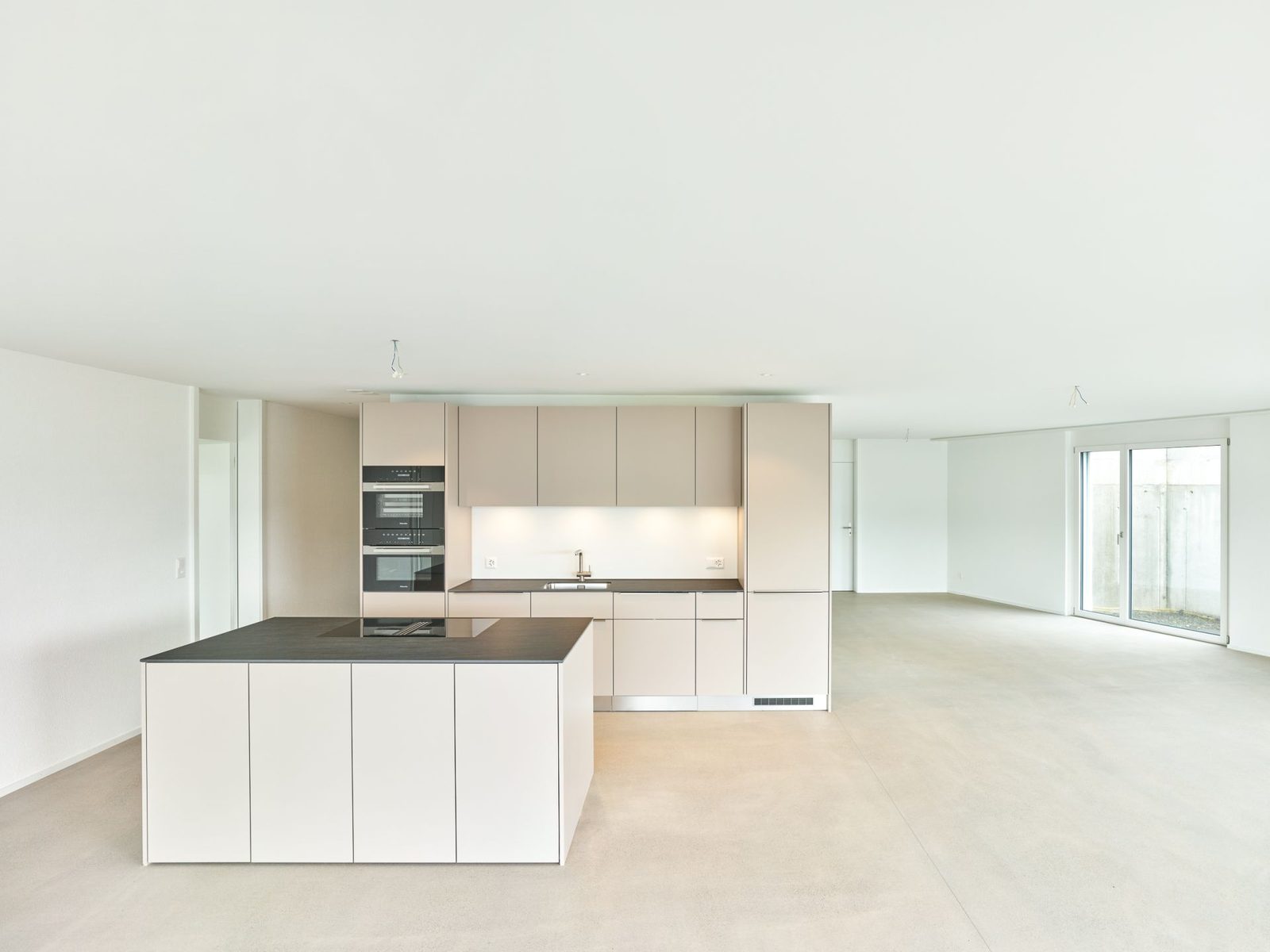
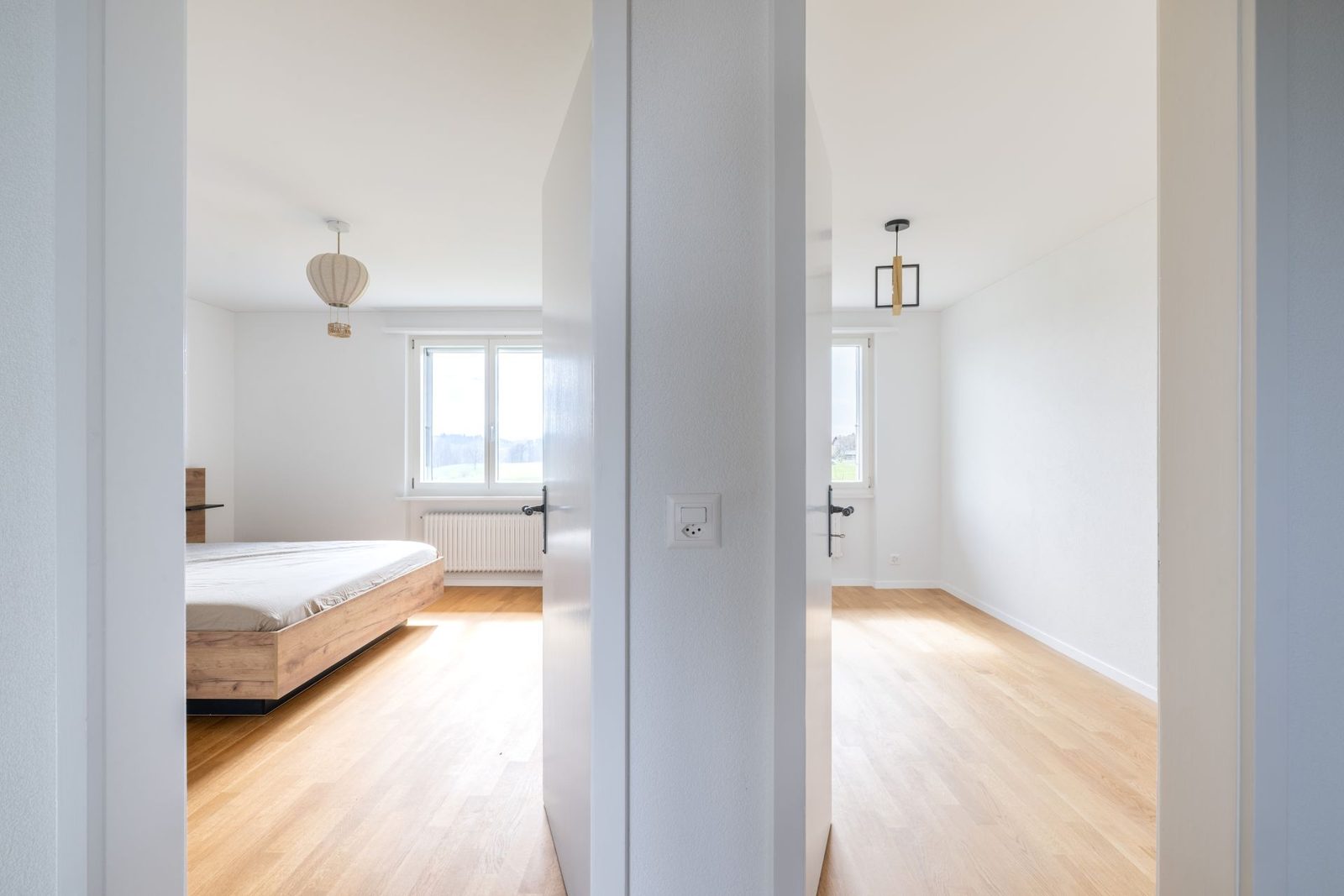
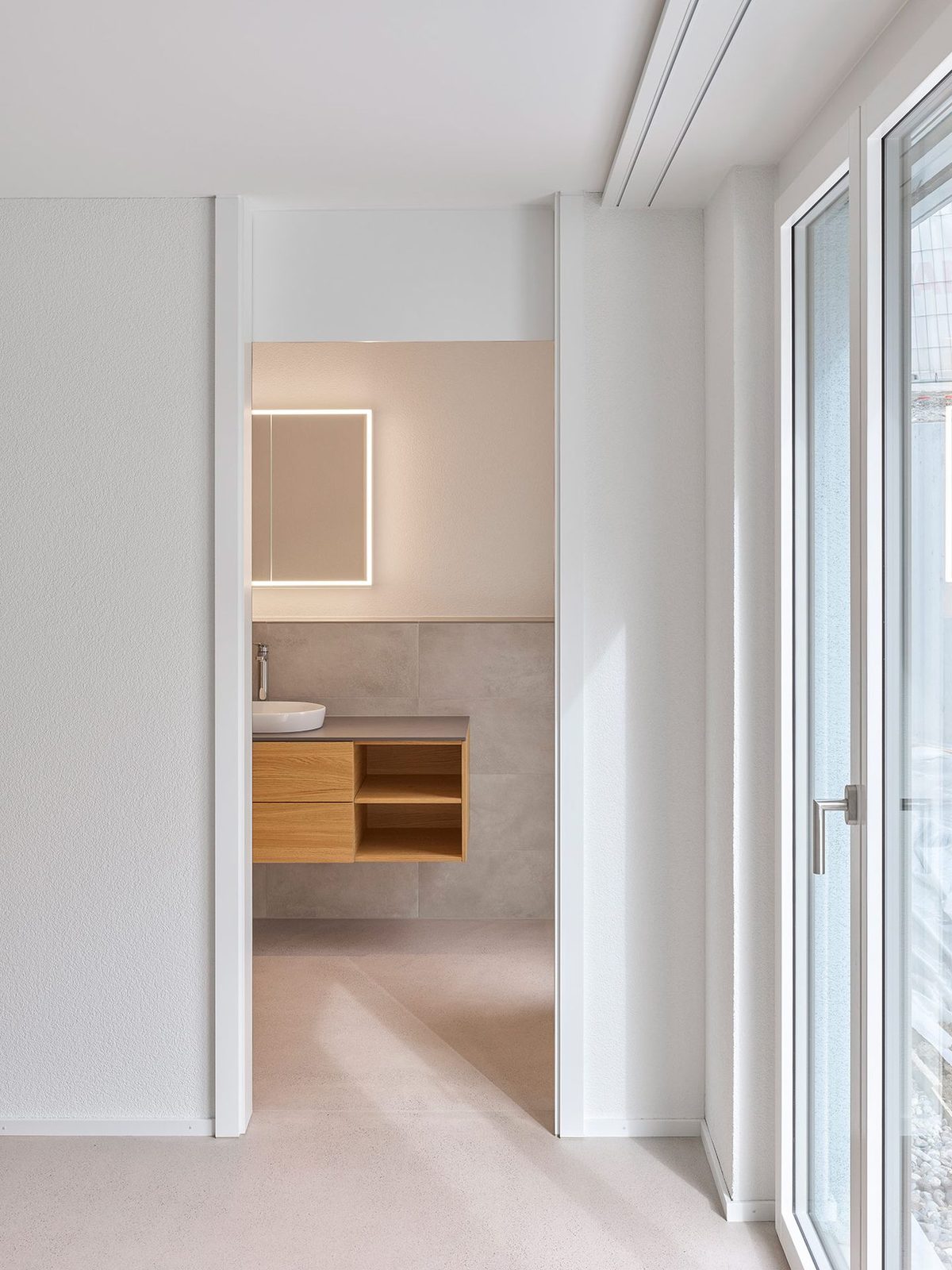
How it works
- Assess the substrate – Absorbency, strength, moisture and old coatings decide which plaster system can be used at all.
- Prepare – Remove loose areas, open up and close cracks, apply a bonding primer or undercoat.
- Apply the plaster – Lime, gypsum or compact plaster, depending on the room and the requirements – different in a bathroom than in a living room, different in an old building than in a new one.
- Finish the surface – Rubbed finish in the grain size you want, smoothed or white plaster – this largely determines how it looks in the end.
- Let it dry – We build the drying time into the work programme so that the painters do not paint onto plaster that is too damp.
Why the right plaster matters
Historic walls need a build-up that can take in moisture and release it again. A modern system that is too airtight can trap moisture in the wall – with damage that only shows years later.
Bern has a lot of older building stock, and we have been working with it since 2010. That is why, before every job, we check what is already on the wall – and recommend the system that suits it, not the one that is quickest.
Quote within 48 hours
Free, without obligation and at a fixed price – site visit on request.